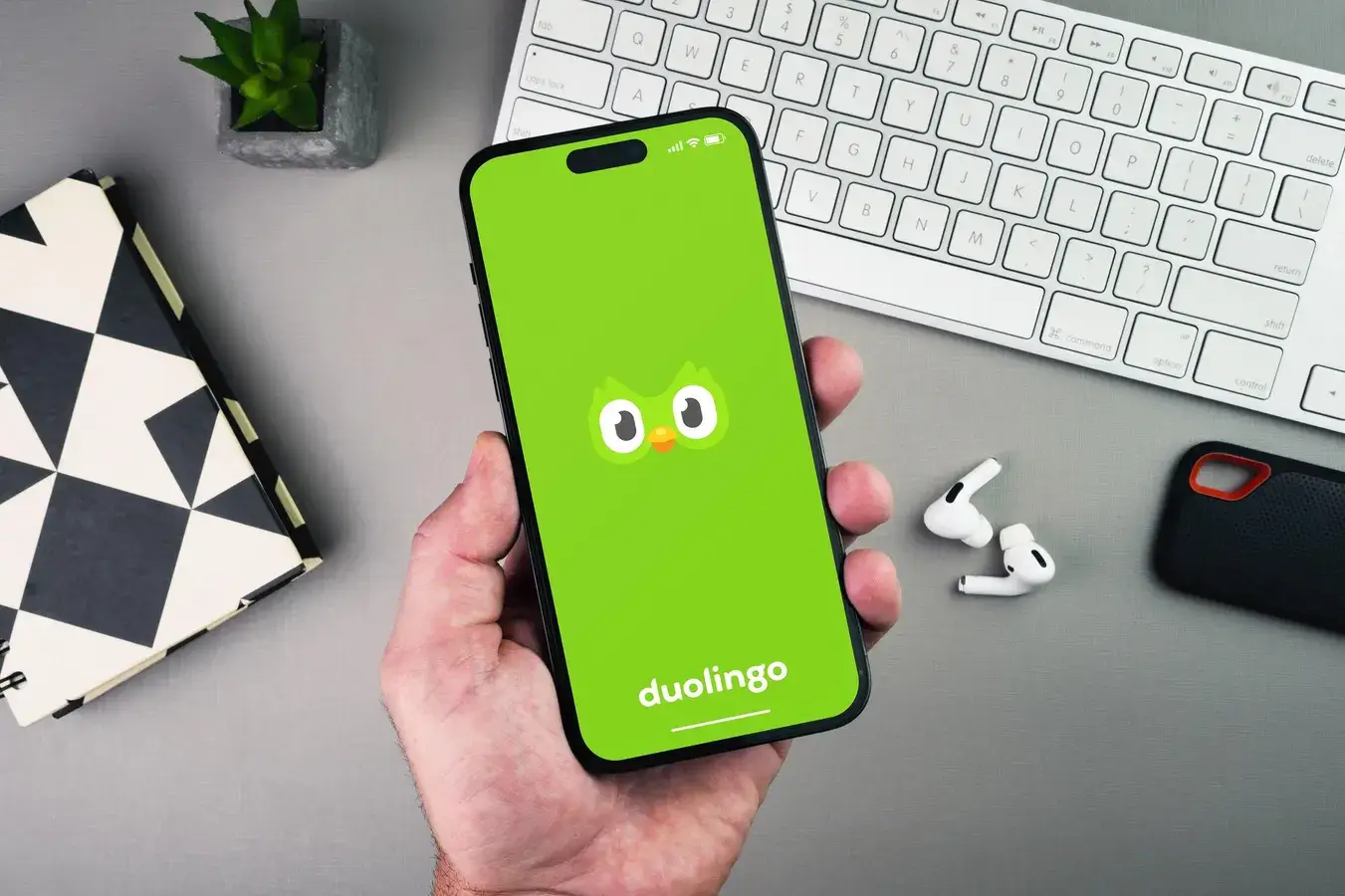
How AI is Transforming Language Learning: A Look at Duolingo’s Latest Innovations
In the digital era, learning a new language has never been easier. With the rise of educational platforms, the integration of Artificial Intelligence (AI) is reshaping how we approach language learning. Duolingo, a leading player in this field, has recently introduced AI-driven features that blend gamification, real-life scenarios, and machine learning to create an immersive experience for learners. These advancements are not only making language acquisition more fun but also more personalized and efficient. Let’s explore how these innovations are redefining language learning.
The Role of AI in Language Learning
At the core of Duolingo’s transformation is the incorporation of AI to offer tailored learning experiences. With AI-powered algorithms, Duolingo analyzes users’ learning patterns, strengths, and weaknesses to personalize lessons. This dynamic adjustment enables learners to focus on areas where they need the most practice, resulting in a more efficient and individualized learning path.
For example, if a user struggles with a particular grammatical concept, the app adjusts its exercises to emphasize that area. This customized learning journey helps users overcome obstacles faster while retaining essential language skills. It’s a move away from a one-size-fits-all approach, making learning more intuitive and adaptive to the learner's pace.
Gamification Meets AI: A Fun Learning Experience
Duolingo has long been known for its gamified approach to education, making learning enjoyable through point systems, challenges, and streaks. With the addition of AI, Duolingo has taken gamification to a whole new level. The app’s new features, like interactive stories and role-playing adventures, are enhanced with AI-driven dialogue systems that simulate real-life conversations with native speakers.
These interactive, scenario-based lessons offer learners practical language use in contexts such as ordering food at a restaurant or asking for directions. AI systems within Duolingo analyze responses, offering suggestions and corrections in real time. This approach bridges the gap between textbook learning and practical usage, giving learners the confidence to apply their skills in real-world situations.
AI-Generated Feedback for Continuous Improvement
One of the most valuable aspects of Duolingo’s AI integration is its instant feedback mechanism. As users progress through lessons, AI-generated feedback highlights areas for improvement and provides detailed explanations for mistakes. This real-time feedback is instrumental in helping learners correct errors on the spot, reinforcing positive learning habits.
Duolingo’s AI even predicts where learners are likely to make mistakes based on past performance, offering preemptive guidance before errors occur. This forward-thinking system keeps learners on track, reducing frustration and helping them reach their language goals faster.
The Future of AI in Education
Duolingo’s innovative use of AI is a glimpse into the future of education. The blend of technology and pedagogy is opening doors to more engaging, effective, and accessible learning experiences. As AI continues to evolve, we can expect to see even more sophisticated features that mimic real-life interactions and provide highly personalized learning pathways.
For IT companies looking to integrate AI into educational platforms, Duolingo offers a successful model of how to enhance user engagement and learning outcomes. Whether through machine learning algorithms, real-time feedback, or gamified experiences, AI is revolutionizing the way we learn languages and other skills.
Conclusion
Duolingo’s latest AI-driven updates are more than just a technological upgrade; they represent a shift in how we approach learning itself. By combining AI with interactive lessons, real-time feedback, and gamification, Duolingo is paving the way for a new era of language learning. For those in the tech industry, Duolingo’s model provides valuable insights into how AI can be harnessed to create more personalized, adaptive, and engaging learning experiences across various fields.
By embracing the future of AI in education, companies can play a vital role in shaping tomorrow’s learning platforms, creating products that not only educate but inspire and empower learners worldwide.