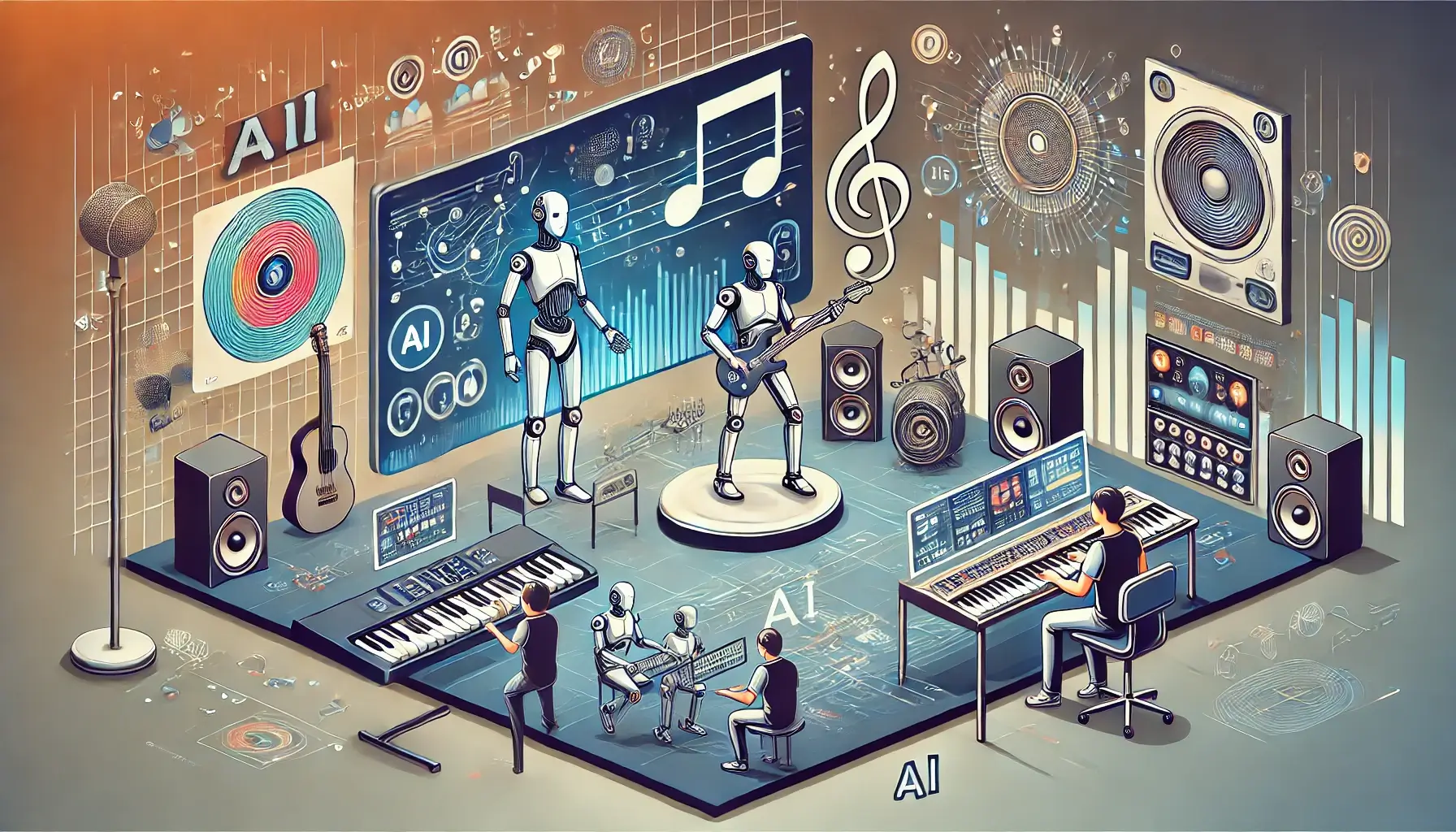
AI-Generated Music: How Algorithms Are Composing the Soundtrack of the Future
Artificial Intelligence (AI) is rapidly transforming industries, and the music industry is no exception. AI-generated music is becoming more advanced, offering composers new tools and sparking debates about the future of creativity. With platforms like AIVA, Amper, and OpenAI’s MuseNet, AI algorithms are now capable of composing full tracks, producing soundtracks, and assisting musicians in innovative ways. But what does this mean for human creativity, and how will AI’s influence reshape the music industry?
How AI is Composing Music
AI-generated music relies on machine learning algorithms that are trained to analyze and replicate patterns in existing music. By learning from vast datasets of classical, jazz, pop, or electronic music, AI models are able to predict what note or rhythm should follow in a composition. This enables them to generate new pieces that adhere to established musical structures.
Platforms like AIVA (Artificial Intelligence Virtual Artist) are at the forefront of AI music creation. AIVA specializes in composing classical music and has even been recognized as a composer by the Society of Authors, Composers, and Publishers of Music (SACEM). By training on the works of great composers like Bach and Beethoven, AIVA generates original pieces that sound both traditional and unique.
Amper Music is another powerful AI tool, allowing users with no musical experience to create personalized soundtracks. It provides users with the ability to input style preferences and adjust the tempo, mood, and instrumentals. This ease of use has made it popular in creating royalty-free music for YouTube videos, podcasts, and advertisements.
Human-AI Collaboration
While AI can generate music independently, many musicians view it as a collaborative tool rather than a replacement for human creativity. AI-assisted composition offers a new way to overcome creative blocks or explore unfamiliar musical styles. For instance, artists can feed their own compositions into AI tools, allowing the algorithm to extend or rearrange sections in unexpected ways. This human-AI partnership creates a dynamic workflow where musicians retain control while benefiting from the algorithm's ability to suggest innovative variations.
OpenAI’s MuseNet, for example, can compose music in a wide variety of styles, from classical to contemporary. It allows artists to experiment with different genres and instruments, blending them in ways that wouldn’t be possible for a human composer alone. These tools expand the boundaries of what’s musically possible and provide new avenues for artistic exploration.
Impact on the Music Industry
The growing use of AI in music composition is already affecting different sectors of the music industry. In the world of film and video game scoring, AI can quickly generate original compositions, saving time and costs for producers. This trend is expected to expand further as AI tools improve and become more accessible.
However, the rise of AI-generated music also raises important questions about intellectual property and authorship. If a piece of music is composed by an algorithm, who owns the rights to it? How does this affect traditional musicians and composers? These are questions the industry will need to grapple with as AI becomes more integrated into the music-making process.
The Future of AI in Music
As AI continues to evolve, its role in music composition is likely to grow. AI may become more adept at generating music that resonates emotionally with listeners, potentially blurring the lines between human and machine creativity. Additionally, advancements in AI-generated music could lead to more personalized music experiences, where users can input their mood or preferences and receive custom-made tracks in real-time.
While AI won’t replace human musicians, it is clear that it will continue to serve as a powerful tool, enhancing creativity and opening new doors for music production. The future of music will likely be a blend of human emotion and machine precision, creating compositions that neither could achieve alone.